
Discover Your Protective Pattern
Find out what you do when you feel hurt, stressed, or disconnected, and how that pattern may be keeping you stuck.
Discover My Pattern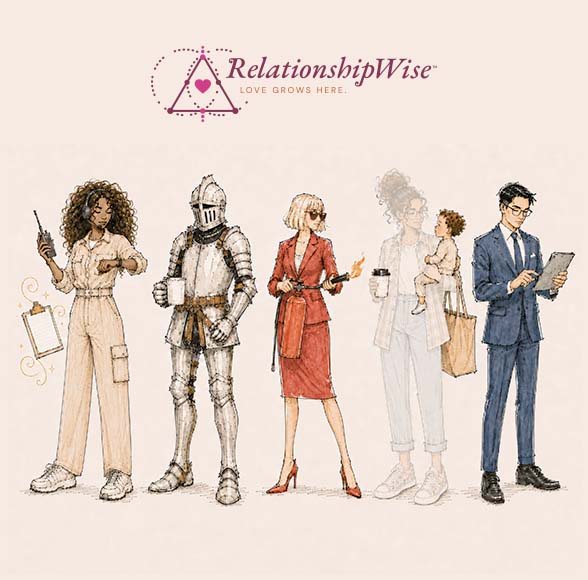
You can love someone deeply and still protect yourself from them.
Getting louder. Shutting down. Taking control. Keeping the peace. Quietly keeping score.
These aren't character flaws. They're Protective Patterns, automatic ways you've learned to protect yourself when something in the relationship feels vulnerable, uncertain, disappointing, or unsafe.
Once you can see the pattern, you have a choice about what happens next.
Which one feels a little too familiar?
Most of us can use several of these patterns, but one tends to become our go-to move when the relationship feels vulnerable.
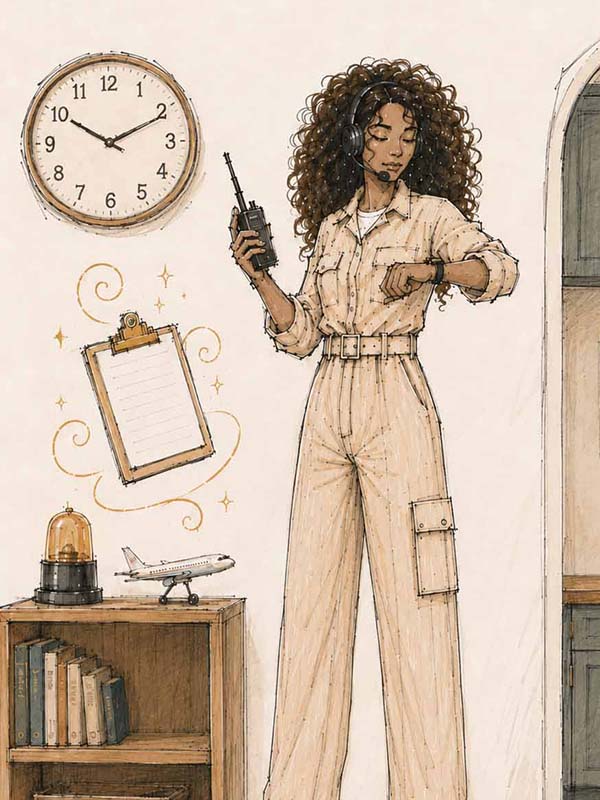
Air Traffic Controller
Plans, manages, fixes, organizes and takes over when uncertainty feels unsafe.

Escape Artist
Goes quiet, pulls away or checks out when conflict, pressure or emotion becomes too much.
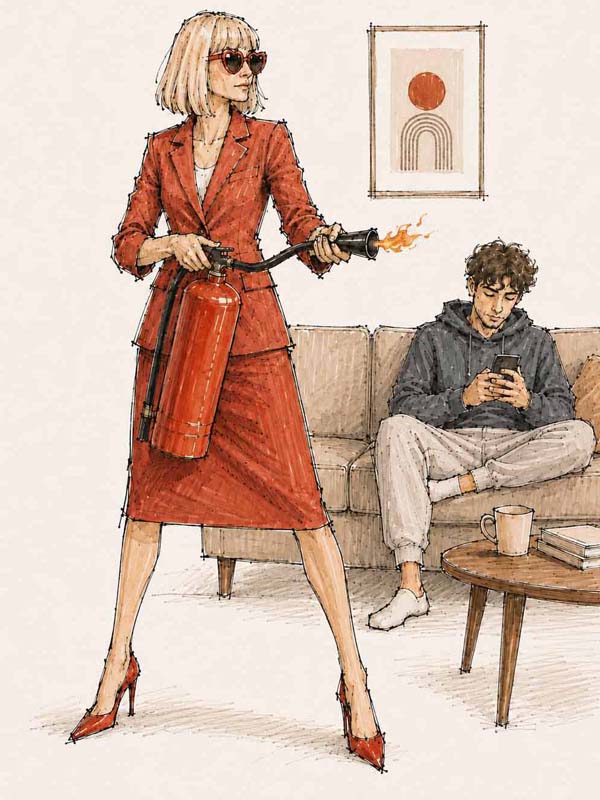
Fire Alarm
Turns up the volume when something feels urgent, unfair, unresolved or emotionally threatening.
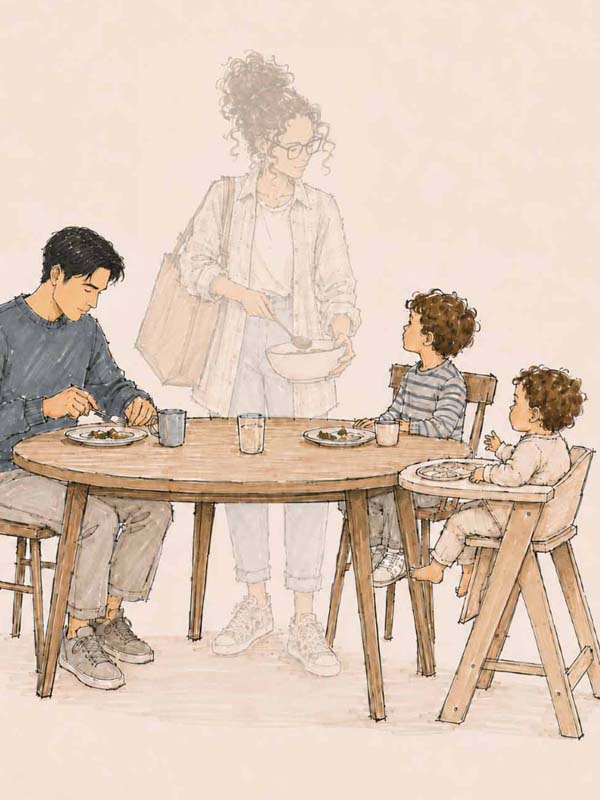
Harmony Hustler
Smooths things over, accommodates and abandons their own needs to keep everyone okay.

Scorekeeper
Tracks effort, fairness and imbalance to protect against being overlooked or taken for granted.
Your pattern doesn't happen in a vacuum.
It interacts with your partner's pattern. One move triggers the next, and suddenly you're both protecting instead of connecting.
The most useful question isn't "Who's the problem?"
It's "What's the pattern between us?"
Your result is a mirror, not a label.
This isn't about putting yourself in another personality box. It's about giving you language for something you may already feel happening, so you can catch it sooner and choose a different move.
Your primary Protective Pattern
What tends to trigger it
What you're actually trying to protect underneath the behavior
How your pattern may affect the person you're in relationship with
The relationship trap your pattern can create
One practical shift your Wise Adult Self can begin making right away
Your pattern makes sense. But it doesn't have to keep running your relationships.
Answer based on what you tend to do when you're hurt, stressed, disappointed, overwhelmed, or afraid of losing connection.
Take the Free Assessment